
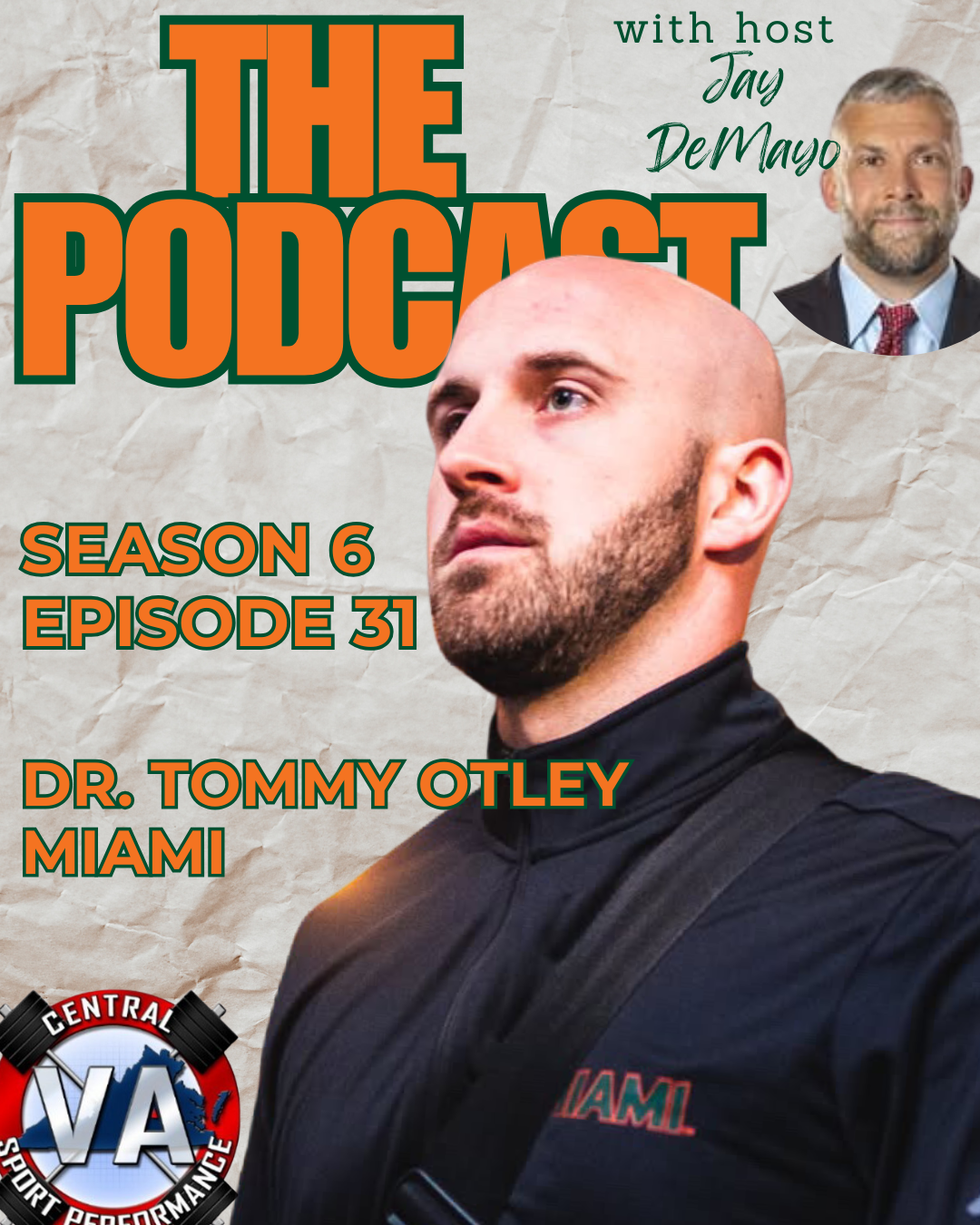
 This episode dives into how Dr. Tommy Otley blends sports science, rehab, and performance strategies within college basketball. Gain insights into athlete evaluation, injury mitigation, and the balance between team-wide systems and individual athlete needs.
Main Topics
- Comprehensive injury screening and assessment as the foundation for decision-making
- Balancing team protocols with individualized athlete programming
- How collaboration across staff improves injury prevention and performance
- Integrating analytics, PT, and strength training into daily team operations
- Using game demands and practice simulation to guide in-season training and recovery
Key Insights
- Initial athlete evaluations combine physical exams, injury history, and tailored testing like force plates, isometric strength, and mobility assessments.
- Screening data is not predictive, but it helps shape treatment priorities and readiness decisions.
- Force plate and testing data can be interpreted differently by PTs, strength coaches, and sports scientists, so communication matters.
- Injury history helps determine whether a deficit should be addressed or accepted as part of an athlete’s normal profile.
- Periodization requires building volume, peaking appropriately, and adjusting for game demands throughout the season.
- Effective injury mitigation depends on combining team-wide strategies with athlete-specific adjustments.
- Data should support coaching decisions and athlete identity, not override them.
Timestamps
00:00 – Welcome and introduction to Dr. Tommy Otley’s role and background
02:25 – Path from athletics to sports science and PT in college basketball
04:11 – The athlete mindset: work ethic and attention to detail
06:37 – Balancing rehab, sports science, and performance work across teams
09:53 – The athlete evaluation process and how injuries affect screening priorities
11:11 – Customizing assessments based on injury profiles
12:07 – Interpreting testing data across PT, strength, and science roles
14:06 – Turning assessment results into training, rehab, and communication
15:24 – Team-wide benchmarks versus individual extremes
18:52 – Thresholds for intervention based on injury history and testing
20:19 – Retesting and process evaluation in injury mitigation
22:41 – Using historical injury data alongside athlete-specific nuances
24:51 – Size, athleticism, and sport-specific demands in performance metrics
26:40 – When to individualize training versus use group programming
28:07 – Tracking game demands and translating them into practice plans
30:16 – Season periodization: balancing volume, intensity, and recovery
33:33 – Managing training load in team sports
35:29 – Coach-athlete collaboration and strategic communication
02:25 – Path from athletics to sports science and PT in college basketball
04:11 – The athlete mindset: work ethic and attention to detail
06:37 – Balancing rehab, sports science, and performance work across teams
09:53 – The athlete evaluation process and how injuries affect screening priorities
11:11 – Customizing assessments based on injury profiles
12:07 – Interpreting testing data across PT, strength, and science roles
14:06 – Turning assessment results into training, rehab, and communication
15:24 – Team-wide benchmarks versus individual extremes
18:52 – Thresholds for intervention based on injury history and testing
20:19 – Retesting and process evaluation in injury mitigation
22:41 – Using historical injury data alongside athlete-specific nuances
24:51 – Size, athleticism, and sport-specific demands in performance metrics
26:40 – When to individualize training versus use group programming
28:07 – Tracking game demands and translating them into practice plans
30:16 – Season periodization: balancing volume, intensity, and recovery
33:33 – Managing training load in team sports
35:29 – Coach-athlete collaboration and strategic communication
